


UNM Duck Pond Revitalization
Location: Albuquerque, NM
Completed: August 2025
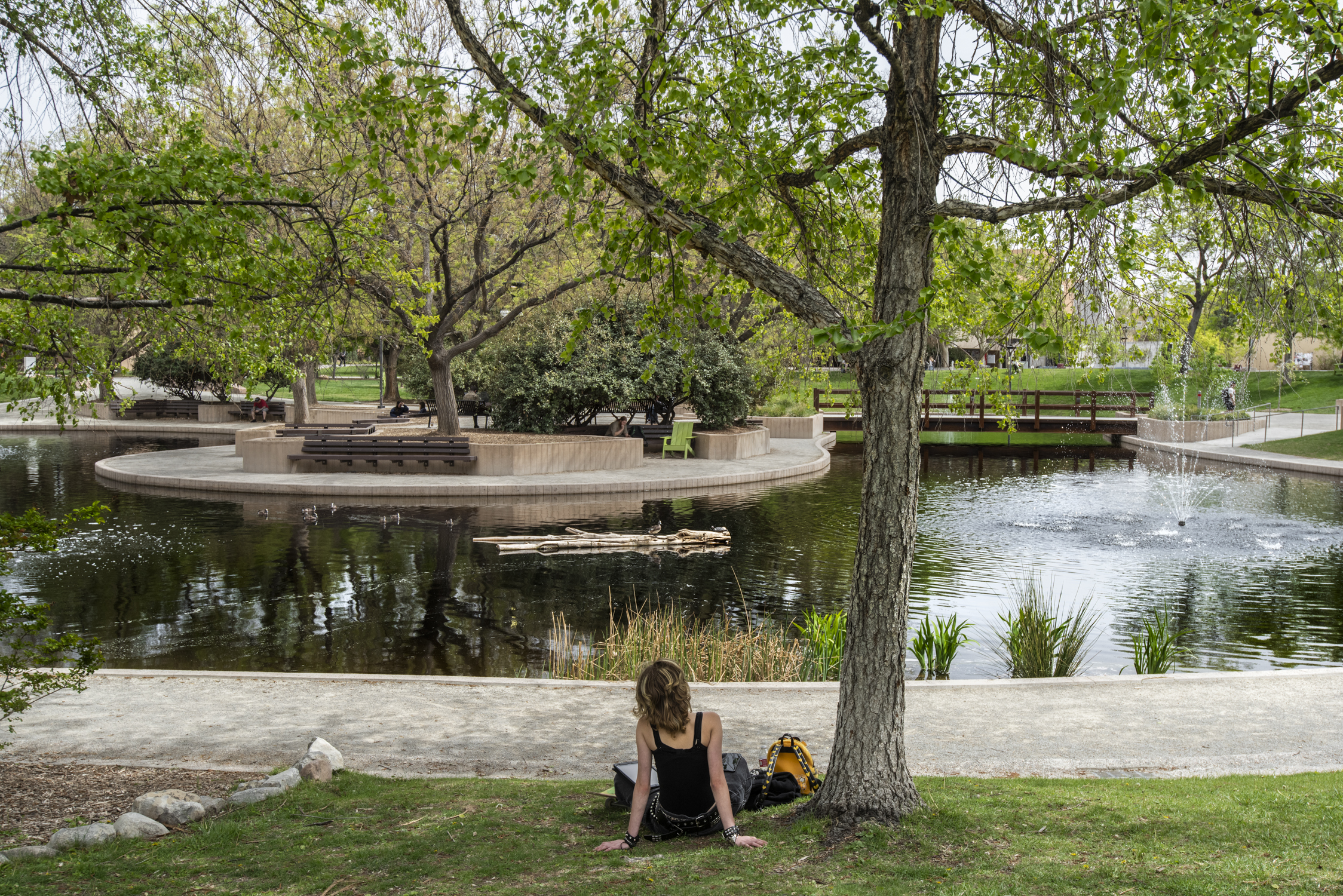
The Duck Pond Revitalization honors Garrett Eckbo’s modernist legacy while reimagining a beloved UNM landmark for the next 50 years. By replacing aging infrastructure, enhancing water quality, improving safety and accessibility, reducing maintenance demands, and supporting wildlife, the project demonstrates how thoughtful preservation can deliver lasting value.
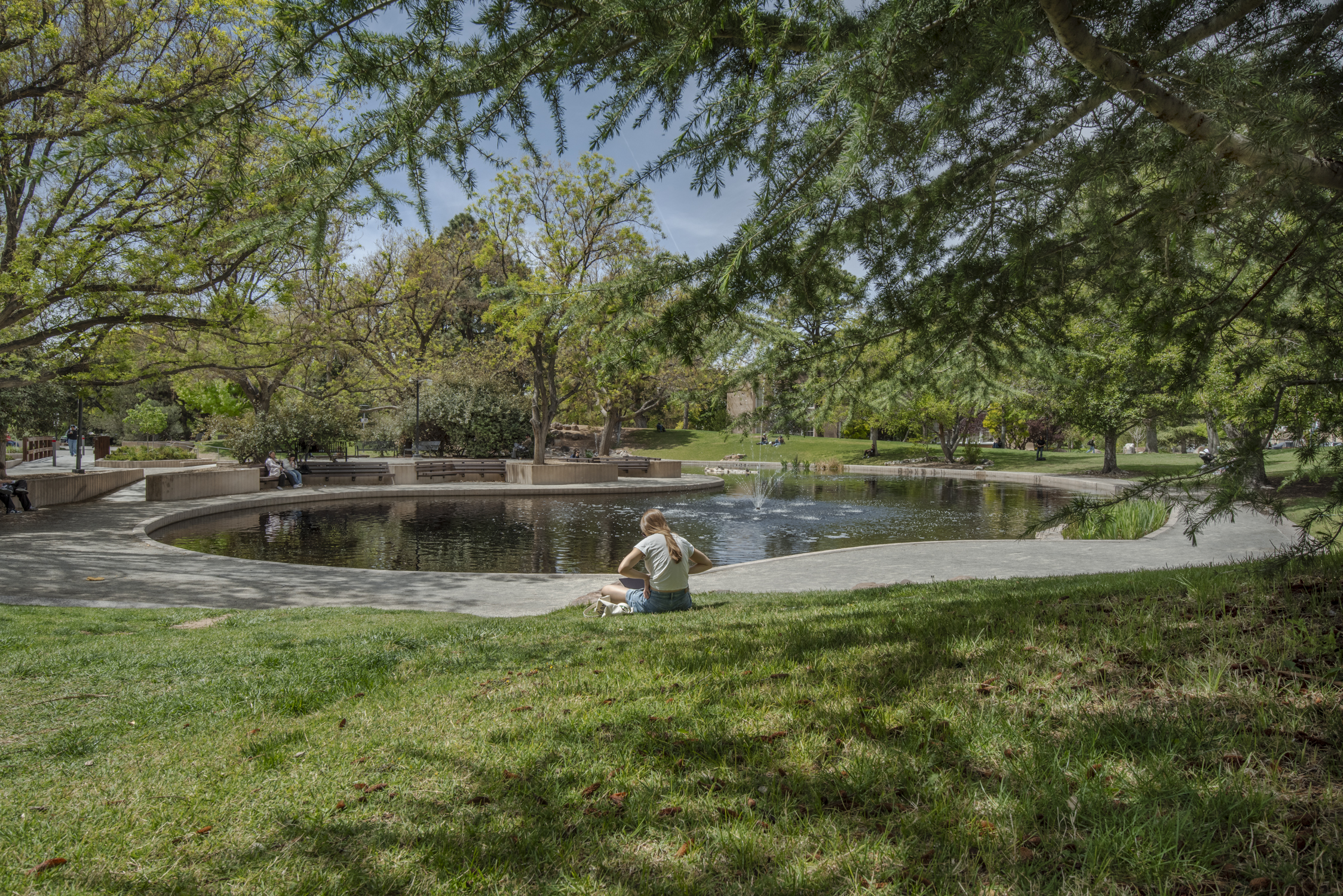
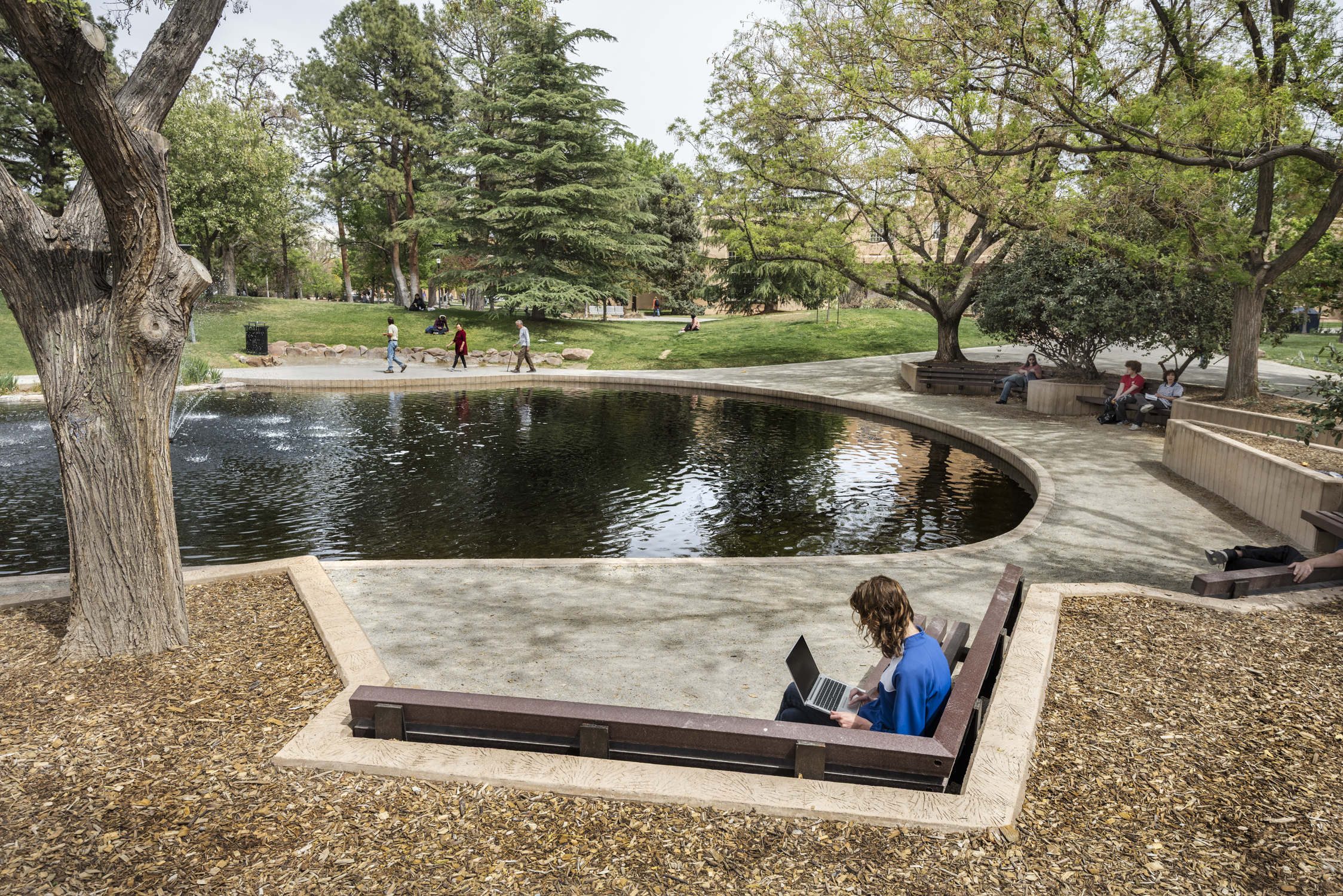
Designed by modernist landscape architect Garrett Eckbo and completed in 1975, the Duck Pond is an oasis in the heart of UNM’s central campus and a unique destination within the larger urban context of Albuquerque. Known for its scenic beauty and thriving wildlife, it functions as an outdoor living room where students can be found studying or napping between classes, where people meet in the evenings and on weekends to socialize, and one of the most photographed spots on campus. After nearly five decades of heavy use and design flaws that have dogged the facility since its initial construction, a feasibility study was commissioned in 2018 to assess the Duck Pond’s challenges and explore renovation options. Stated goals that came out of the feasibility study included: reduce the need and frequency of manually draining and cleaning the pond, improve water quality, bring it into compliance with the Americans with Disabilities Act, improve lighting and furnishings, and replace deteriorating infrastructure.
As one of the university’s most important landmarks, the Duck Pond is identified in the UNM Historic Preservation Plan as a Tier 1 historically significant site - the highest priority for preservation - meaning that any renovations would need to maintain its “character defining features”.
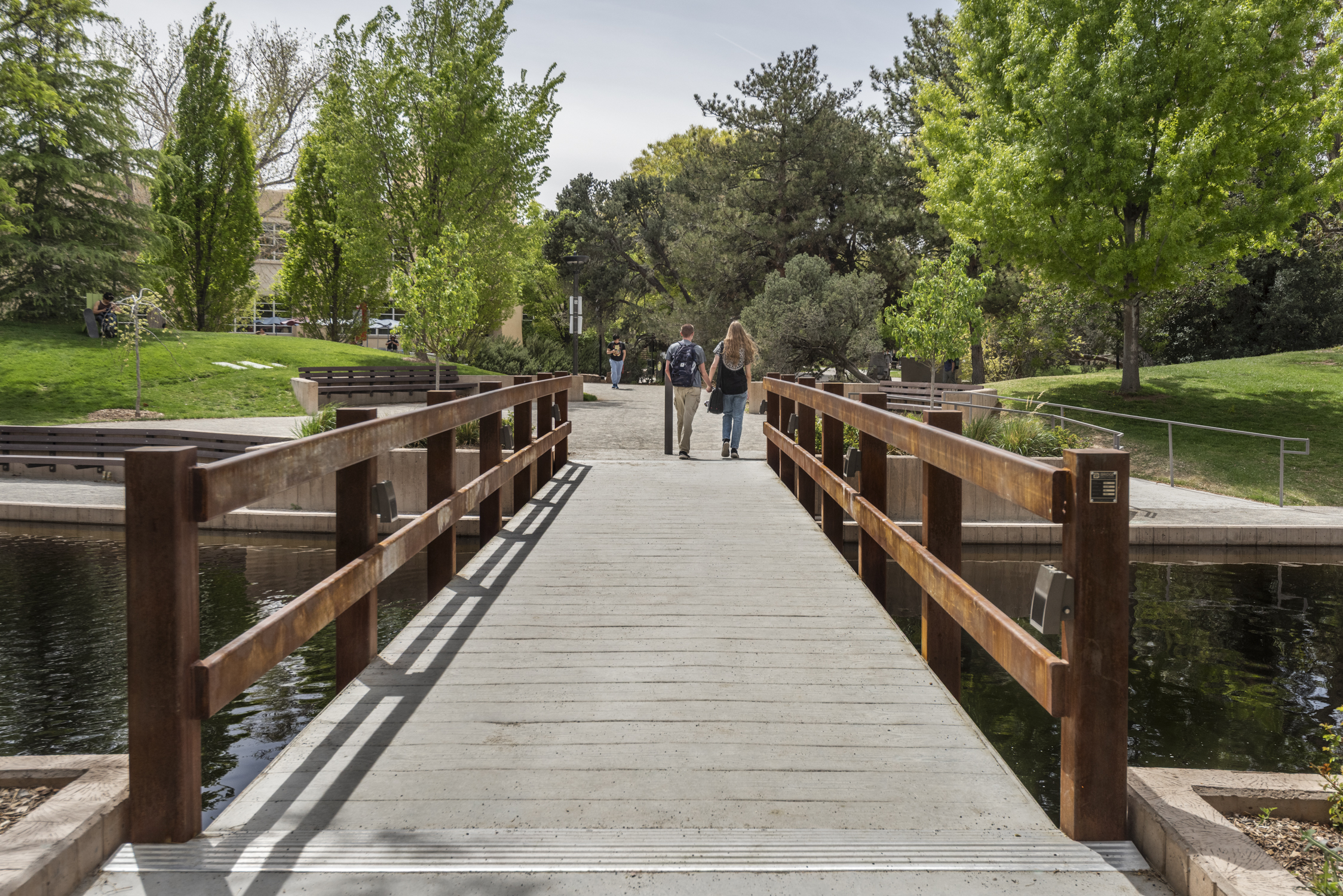
Completed in 2025 on its 50th anniversary, the Duck Pond Revitalization Project restored and refreshed the most iconic and beloved landmark of the UNM campus. By replacing aging infrastructure, enhancing water quality, improving safety and accessibility, and reducing maintenance demands, the project was able to maintain the historic character of this landmark while providing significant upgrades. Key improvements to the pond included increased pond depth, a new PVC and liner, full replacement of the mechanical system and controls, addition of biofilters and a UV treatment system that enhances water quality by eliminating harmful algae and microorganisms, installation of a new single-span steel pedestrian bridge, and replacement of the pond’s perimeter timber edge, raised planter walls and integrated benches. Importantly, its iconic shape, appearance, and waterfall remain unchanged. Accessibility enhancements allow all visitors – including those using mobility aids – to enjoy the pond from every edge, make the space more inclusive while also advancing sustainability and ecological balance.
Materials for the planter walls and pond enclosure were upgraded for durability while the mechanical systems for the Duck Pond were modernized to improve water quality and to better support the surrounding ecology. These updates will also reduce the frequency of cleaning and maintaining the pond. All of which make the Duck Pond more sustainable, safer and give the structure increased longevity. The pathway locations were widened in a few locations, and the grade was adjusted to meet accessibility standards so that everyone can enjoy the space. Mature trees were preserved and disturbance to the campus during construction was minimized.
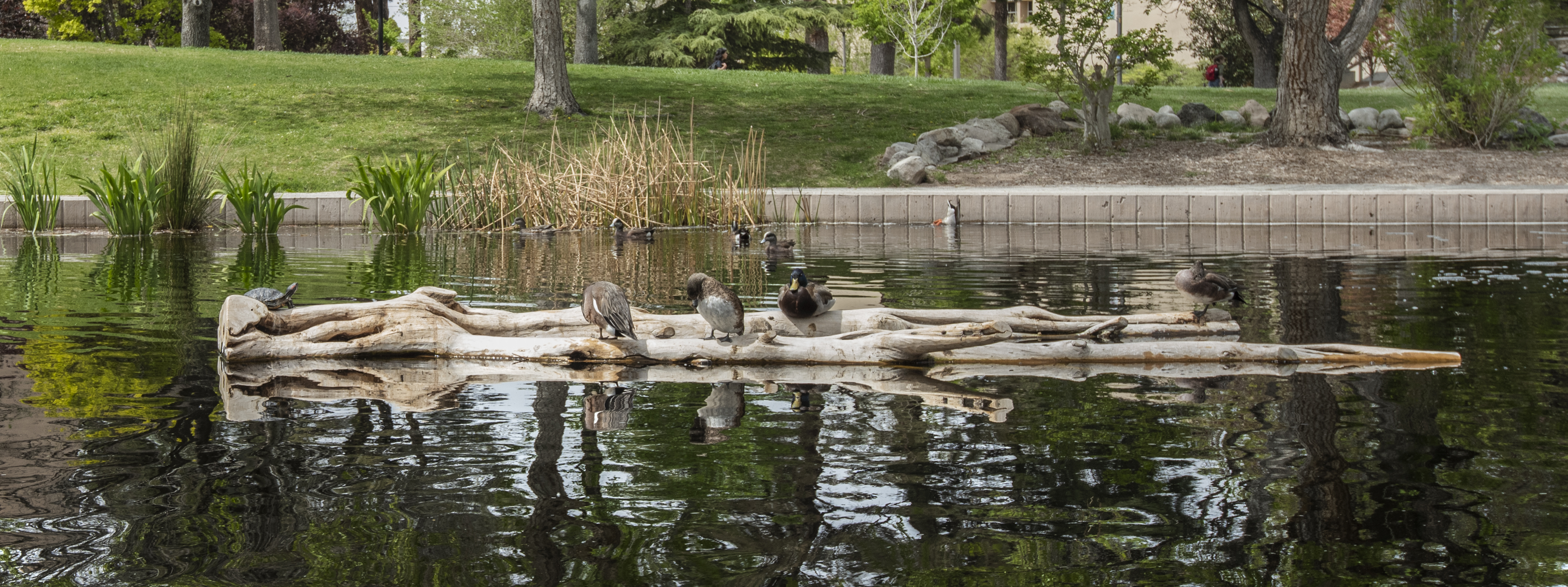
A healthy population of wildlife, including ducks, turtles, fish, and invertebrates has returned to the pond. Post-construction water quality testing indicated a 98% reduction in E. coli bacteria and complete elimination of total suspended solids.
- Last
- back to projects
- Next