


Tijeras BioZone All Abilities Sensory Trail
Location: Albuquerque, NM
Completed: July 2025
The Tijeras BioZone All Abilities Sensory Trail transforms a natural creekside setting into an inclusive outdoor learning landscape for children of all ages and abilities. Through sensory play, graduated challenges, reused site materials, native planting, and green stormwater infrastructure, the project expands access to nature while supporting ecological health. Developed through close collaboration, the trail models equitable, imaginative design that connects people, wildlife, and watershed stewardship.
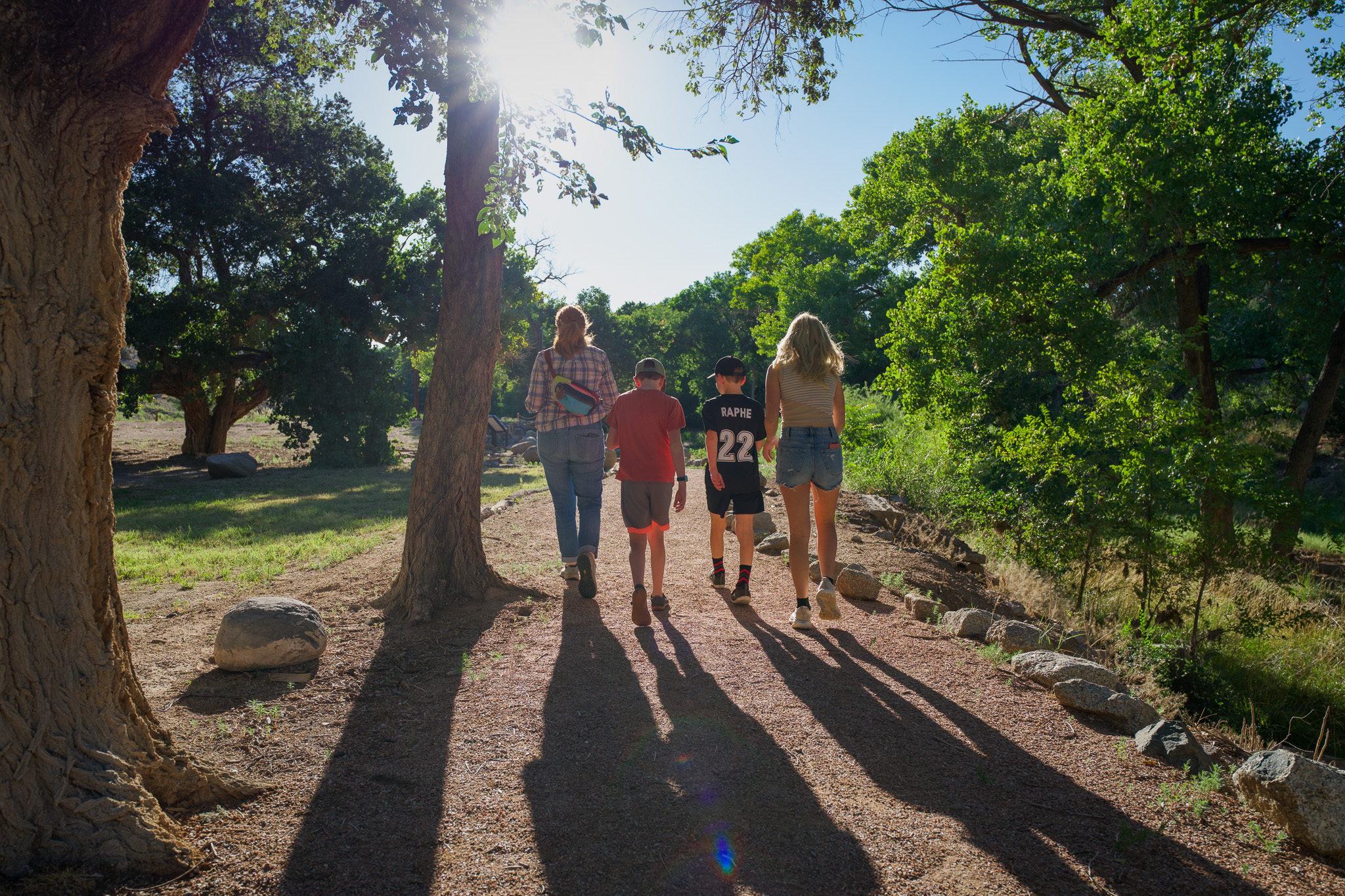
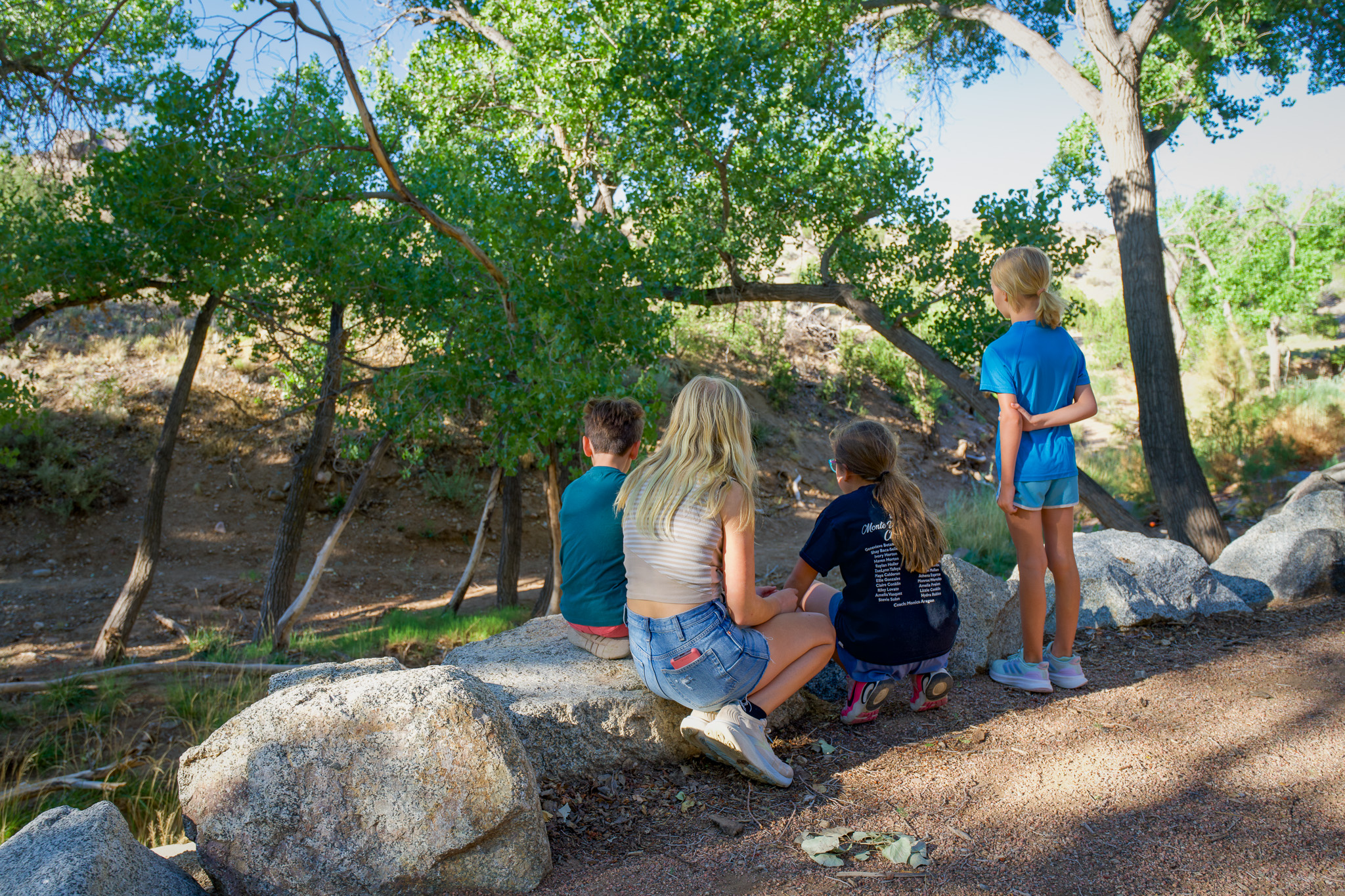
At the edge of Tijeras Creek, the Tijeras BioZone All Abilities Sensory Trail transforms a natural open space into an inclusive outdoor learning experience where children of all ages and abilities can explore, play, and build confidence in nature. Designed as both a destination and a teaching landscape, the trail expands access to meaningful outdoor experiences for children who may have limited opportunities to engage with natural systems near the City of Albuquerque.
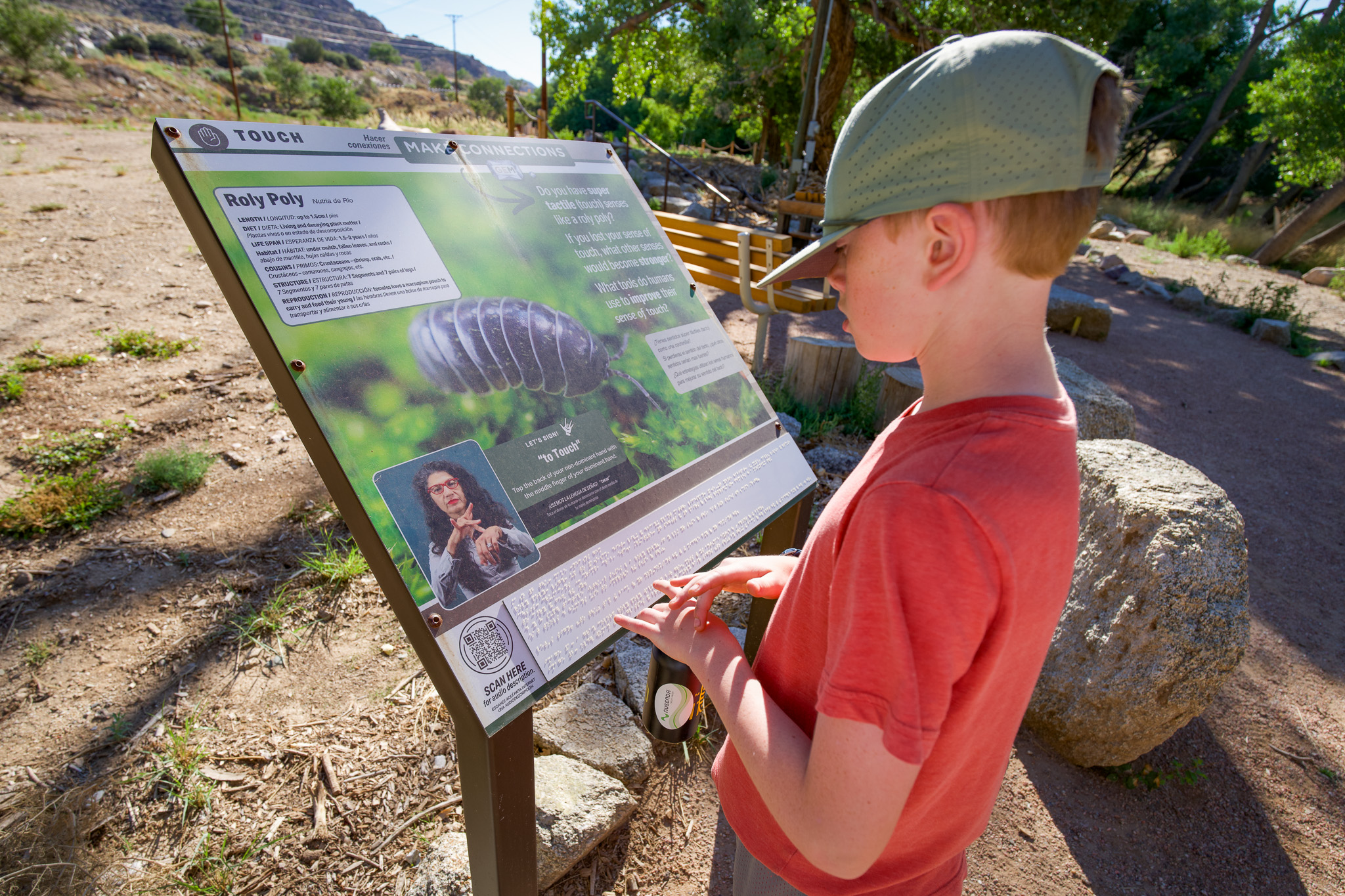
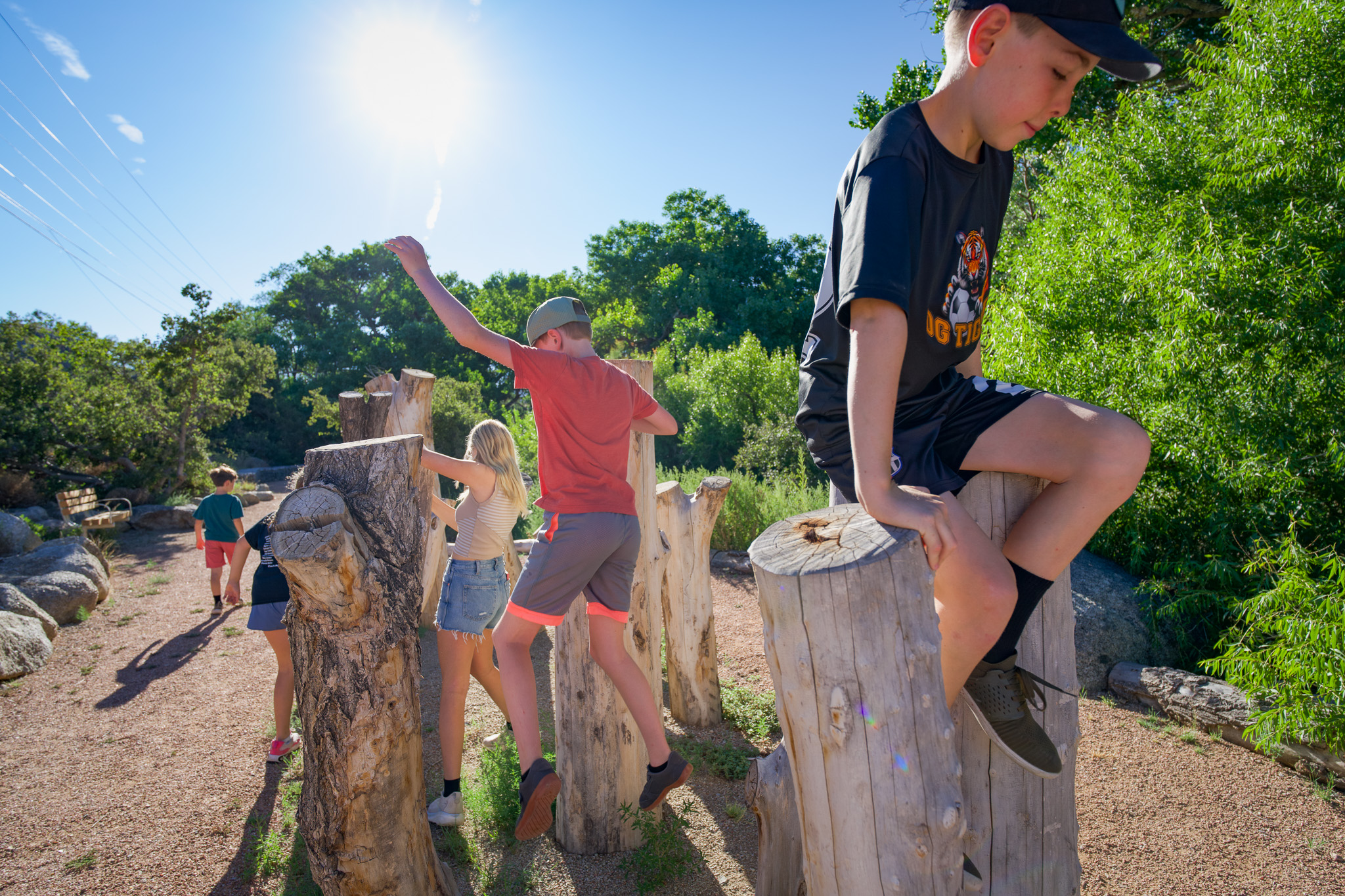
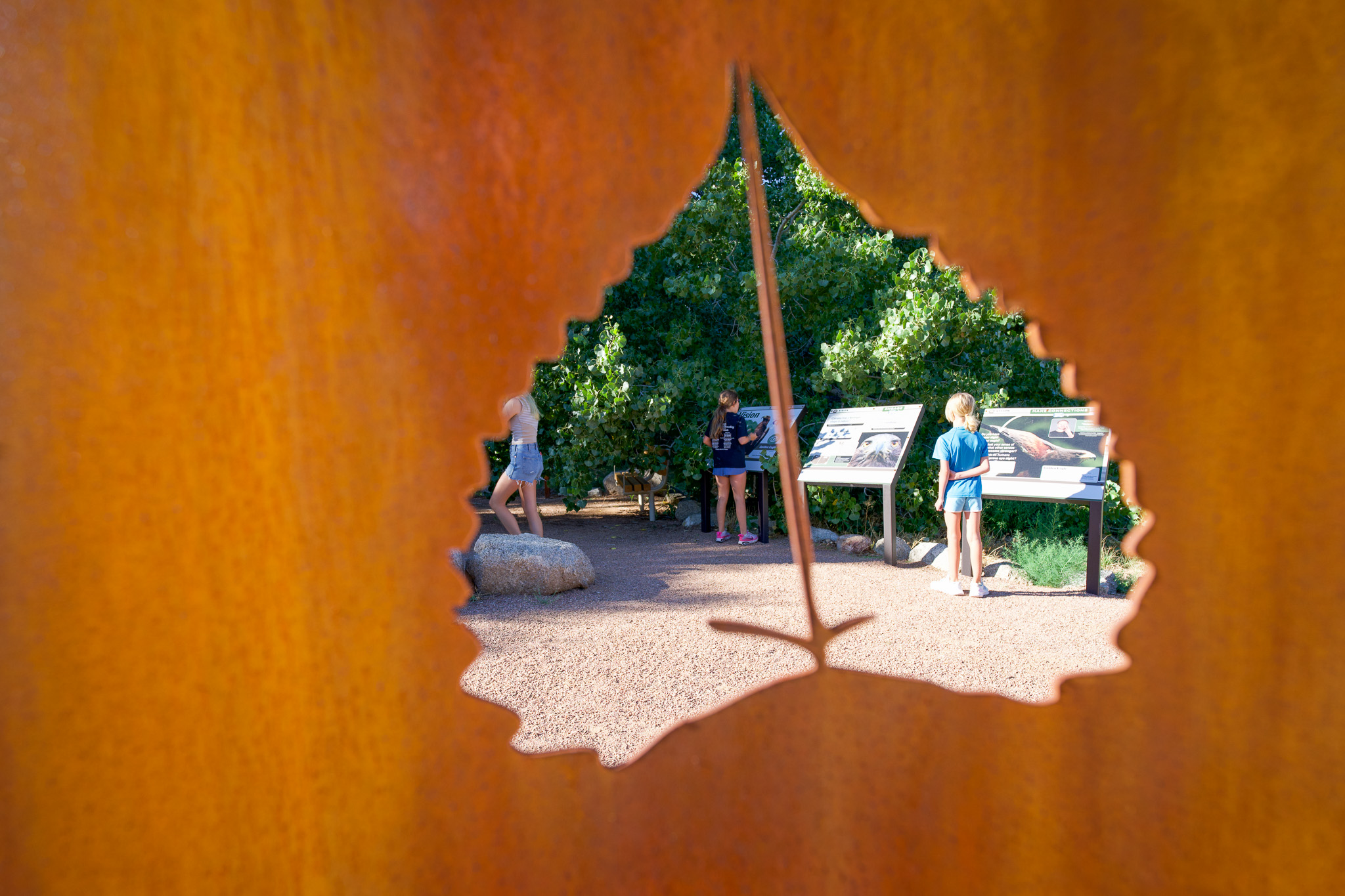
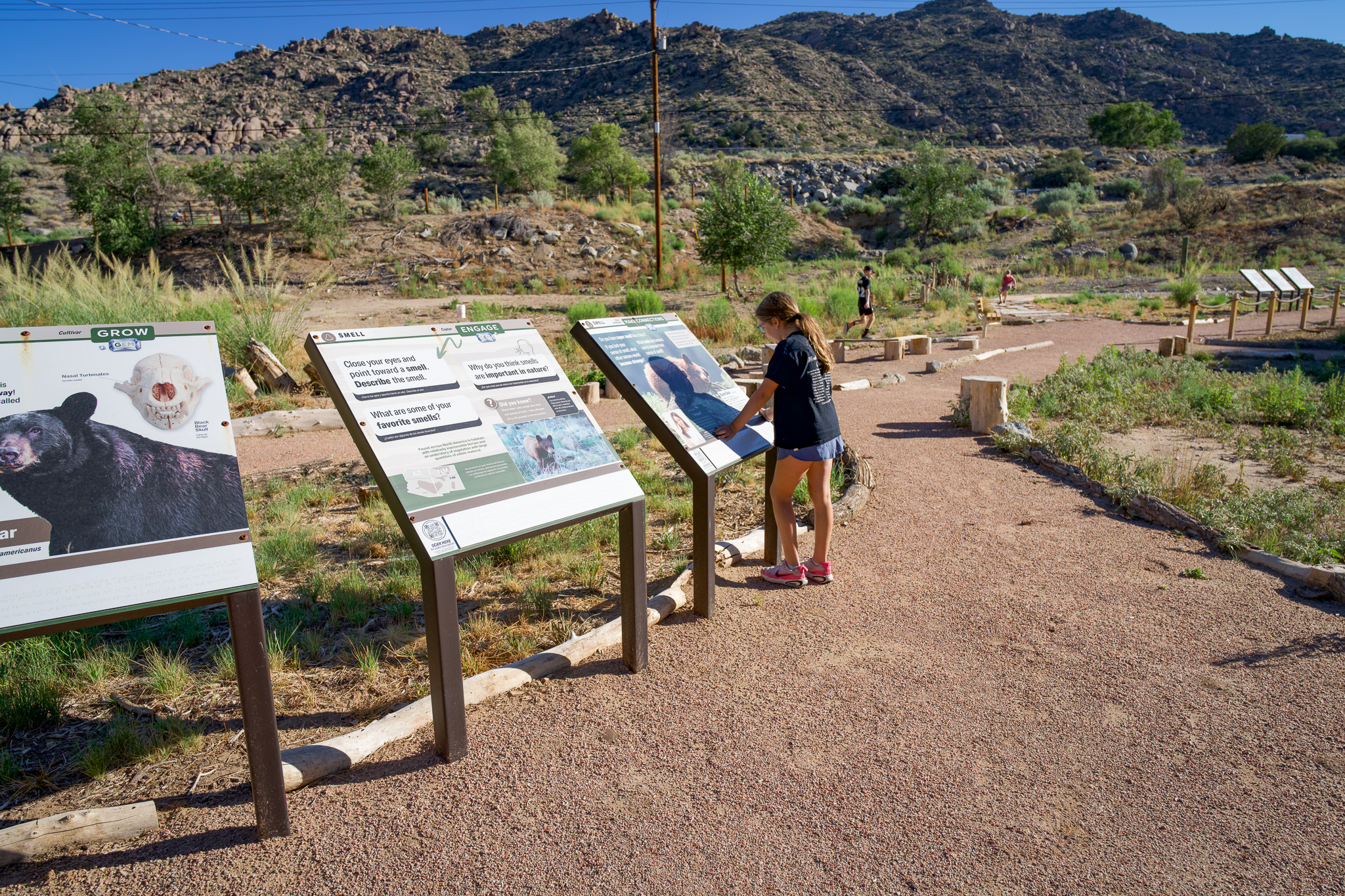
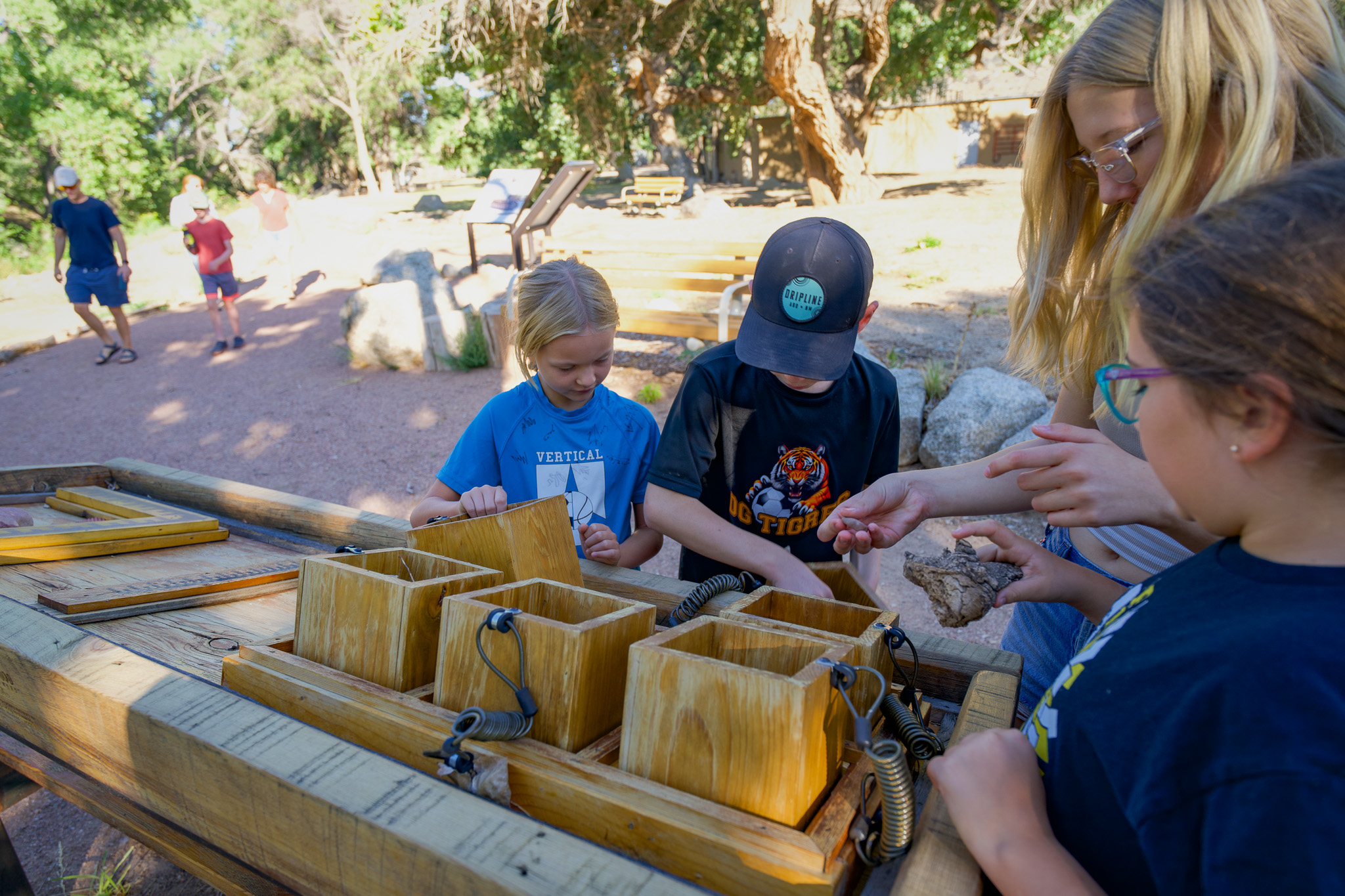
The design approach is rooted in discovery. A trail composed of natural materials weaves through a sequence of sensory nodes that invite hands-on learning, imaginative play, and movement-based exploration. Each node encourages children to imagine themselves as wildlife species that inhabit the surrounding landscape, learning how animals rely on sound, touch, balance, vision, and other sensory abilities to navigate challenges and thrive.
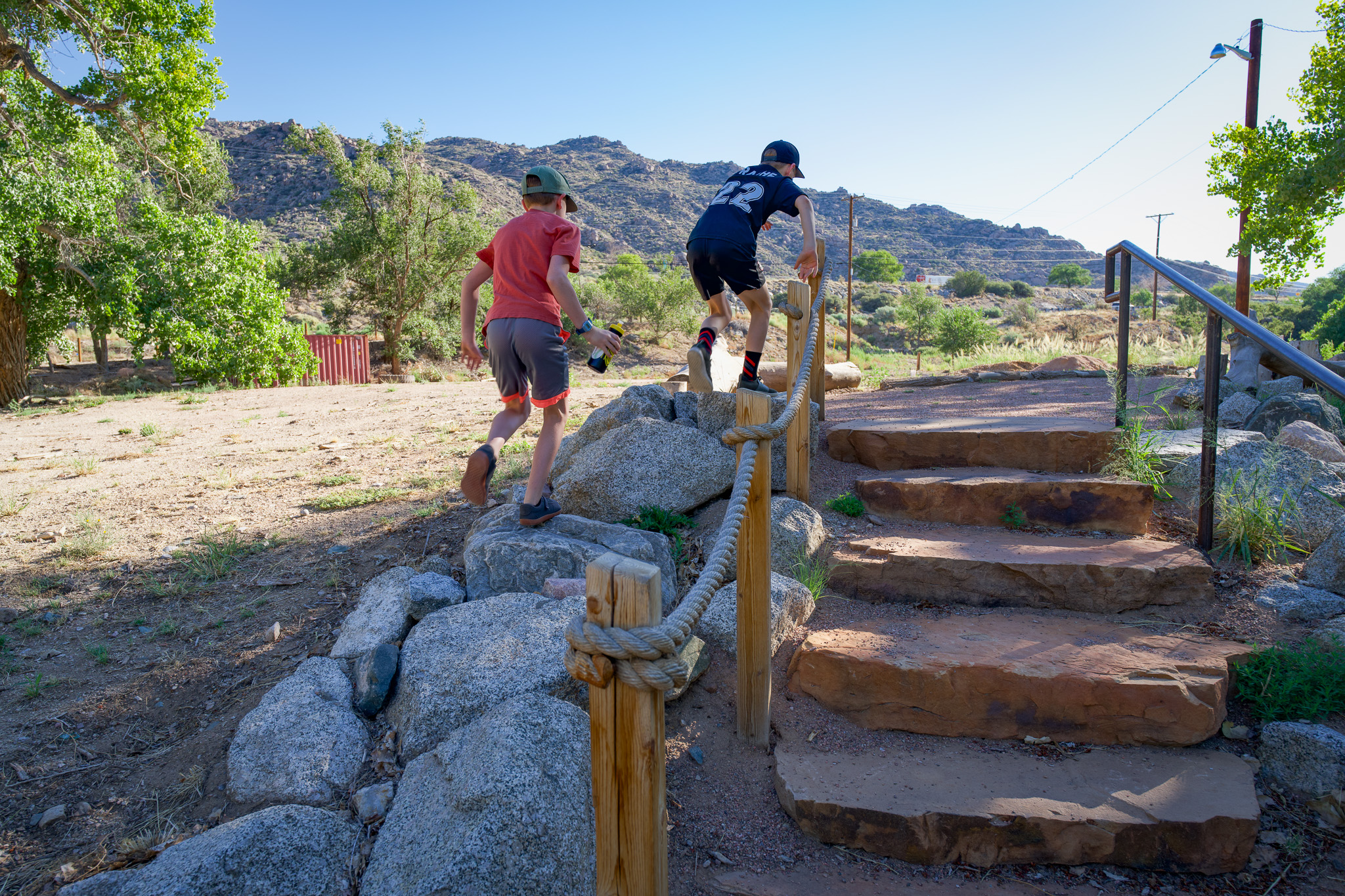
Accessibility is embedded through choice rather than separation. Graduated challenges create easy, moderate, and more adventurous ways to move through the trail, allowing visitors to test balance, coordination, proprioception, and vestibular awareness at their own pace. This flexible structure supports a wide range of physical, cognitive, and sensory needs while encouraging children to learn from one another and share experiences in a calm, restorative outdoor setting.
The project demonstrates environmental stewardship through careful material reuse and sensitive siting. Many construction materials were salvaged and repurposed from the site itself, including trees from invasive species cleared near the stream. These materials were transformed into trail elements, reinforcing the project’s message of conservation, adaptation, and respect for place. The trail alignment preserves valuable, mature vegetation and works with existing site features rather than imposing a new geometry on the landscape.
Ecological performance is integrated into the visitor experience. Green stormwater infrastructure directs runoff into shallow basins that support native plant communities, strengthen pollinator habitat, and protect the riparian corridor of Tijeras Creek. By connecting sensory play with watershed function, the trail helps visitors understand that healthy landscapes support both people and wildlife.
Collaboration was central to the project’s success. The landscape architects worked closely with Ciudad Soil and Water Conservation District, Heroes Path Palliative Care, Talking Talons, and other stakeholders to shape a design that is safe, resilient, educational, and responsive to visitor needs. On-site working sessions allowed the team to test ideas in context, evaluate alternatives, and develop creative solutions grounded in the realities of the landscape.
Since completion, the trail has become a featured component of the City’s outdoor education programming and a model for inclusive nature-based design. It shows how a modest intervention can create lasting public value: expanding access to outdoor learning, elevating environmental stewardship, celebrating different ways of sensing the world, and inspiring other communities to connect people with nature in more equitable and imaginative ways.